 Hylea
Hylea
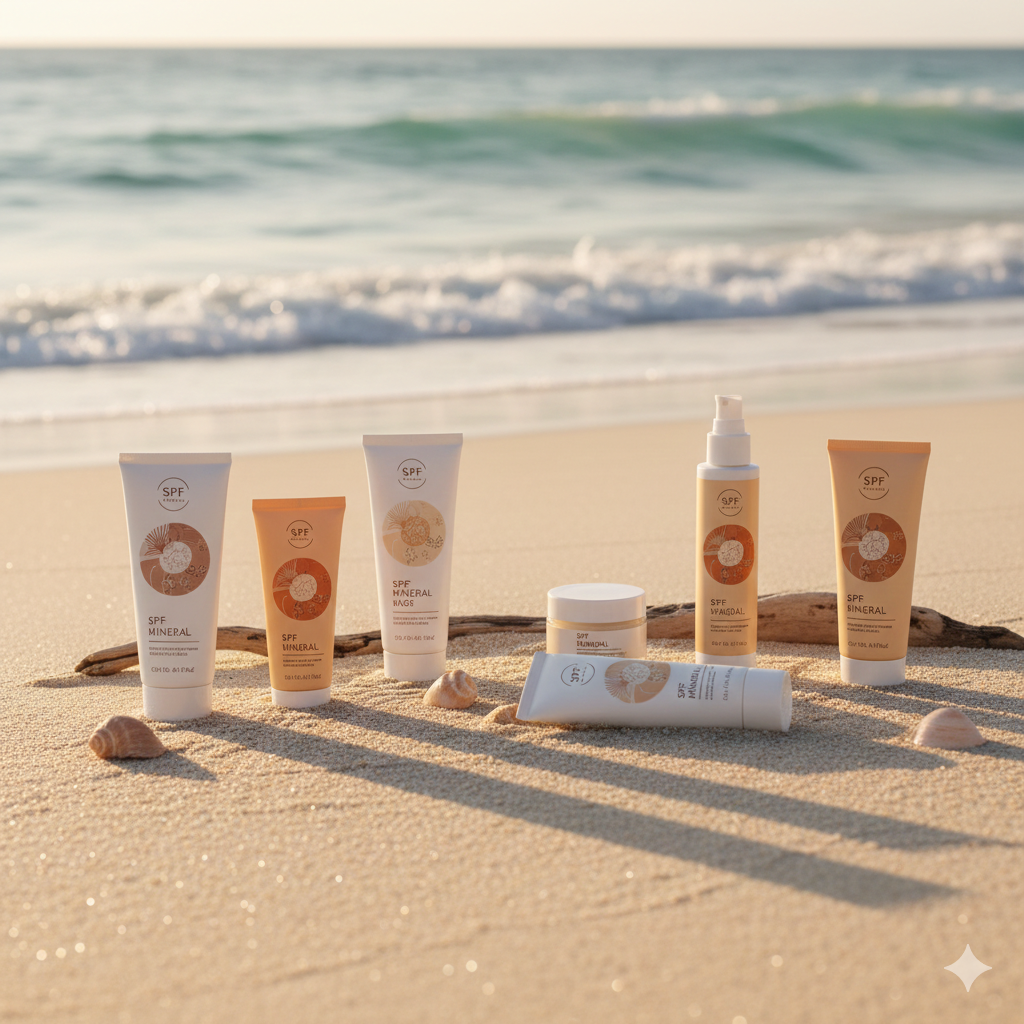
Sunscreen is essential for protecting against UV damage and skin cancer. But some sunscreen ingredients raise their own health concerns, creating a confusing dilemma for consumers. The good news is that effective, safer options exist - you just need to know what to look for.
Chemical vs. Mineral Sunscreens
Sunscreens fall into two main categories. Chemical (organic) sunscreens absorb UV rays and convert them to heat using synthetic compounds. Mineral (inorganic) sunscreens use zinc oxide or titanium dioxide to physically block and reflect UV rays. The distinction matters because some chemical UV filters have been flagged for health concerns.
Ingredients to Avoid
Oxybenzone is the most concerning chemical sunscreen ingredient. Studies have detected it in 97% of Americans tested, and it's been shown to act as an endocrine disruptor. Hawaii and several other locations have banned oxybenzone in sunscreens due to coral reef damage.
- Oxybenzone (benzophenone-3) - endocrine disruptor, coral reef damage, found in breast milk
- Octinoxate (octyl methoxycinnamate) - hormone disruption, coral reef damage, banned in Hawaii
- Homosalate - potential hormone disruptor, accumulates in the body faster than it can be eliminated
- Octocrylene - can degrade into benzophenone (a suspected carcinogen), allergenic
- Avobenzone - less concerning than oxybenzone but breaks down in sunlight and can form harmful byproducts
What to Choose Instead
Mineral sunscreens using non-nano zinc oxide are generally considered the safest option. Zinc oxide provides broad-spectrum protection (UVA and UVB) and sits on top of the skin rather than being absorbed.
- Zinc oxide - the gold standard for safer sun protection, broad-spectrum, reef-safe
- Titanium dioxide - effective UVB blocker, generally considered safe, though provides less UVA protection than zinc oxide
- Non-nano particles - larger particles that sit on the skin surface rather than being absorbed (look for 'non-nano' on the label)
Beyond the Active Ingredients
The inactive ingredients matter too. Many sunscreens contain fragrances (hiding phthalates), parabens as preservatives, and retinyl palmitate (vitamin A), which may accelerate skin damage in sunlight.
- Choose fragrance-free formulas
- Avoid retinyl palmitate (vitamin A palmitate) in sunscreens
- Look for short, recognisable ingredient lists
- Choose lotions over sprays (spray sunscreens create inhalation risk)
Sunscreen for Children
Children's skin absorbs chemicals more readily than adults, making mineral sunscreens especially important for kids. The American Academy of Pediatrics recommends avoiding sunscreen entirely for babies under 6 months, relying instead on shade and protective clothing.
- Use mineral-only sunscreens (zinc oxide and/or titanium dioxide) for children
- Choose SPF 30-50 (higher SPFs don't provide proportionally more protection)
- Apply generously and reapply every 2 hours and after swimming
- Look for EWG Verified or MADE SAFE certified options
The Bottom Line
The best sunscreen is one you'll actually use consistently. Mineral sunscreens with non-nano zinc oxide offer the best balance of effectiveness and safety. If the white cast of mineral sunscreens is a barrier, look for tinted mineral formulas that blend better with different skin tones.
For more on reading personal care product labels, see our How to Read Labels guide. You can also browse our chemicals database for detailed information on any ingredient.