 Hylea
Hylea
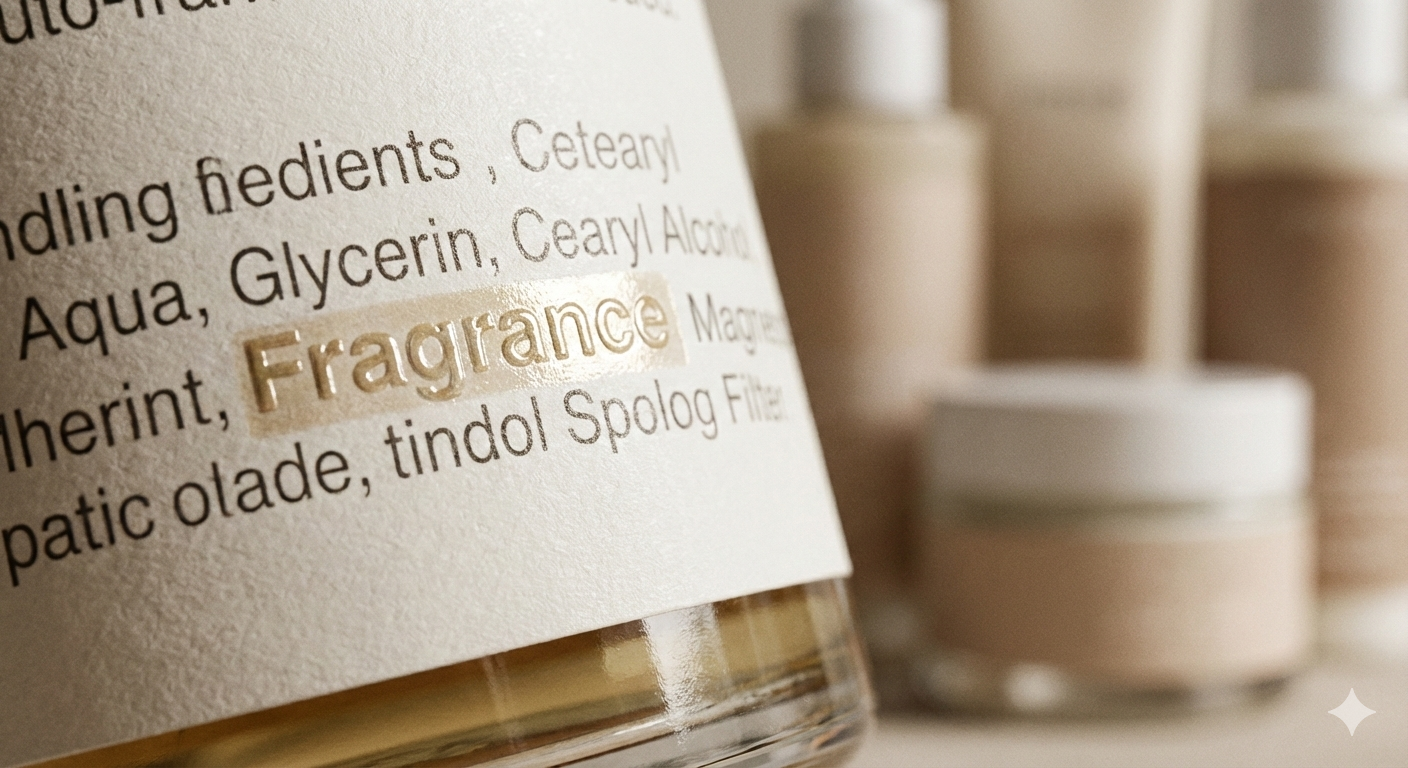
You've probably seen 'fragrance' or 'parfum' listed on countless product labels - shampoos, lotions, cleaning products, even garbage bags. It seems harmless enough. But that single word can represent a mixture of dozens to hundreds of individual chemicals, none of which have to be disclosed.
The Trade Secret Loophole
In the US, fragrance formulas are considered trade secrets under the Fair Packaging and Labeling Act. Manufacturers don't have to disclose the specific chemicals that make up their signature scents. This means 'fragrance' could contain anywhere from 10 to 300+ individual ingredients, and you'll never see them on the label.
EU vs. US: A Tale of Two Regulatory Approaches
The regulatory landscape for fragrance chemicals differs dramatically between the United States and the European Union. In the US, the FDA does not require pre-market safety testing for cosmetic ingredients, including fragrance chemicals. The industry largely self-regulates through the International Fragrance Association (IFRA).
The EU takes a far stricter approach. Under EU Cosmetics Regulation EC 1223/2009, 26 specific fragrance allergens must be individually listed on labels when present above certain concentrations. The EU has also banned or restricted over 1,300 chemicals in cosmetics, compared to roughly 11 in the US. In 2023, the EU expanded its allergen disclosure requirements to include 56 additional fragrance substances.
This means a product sold in Europe may have a detailed ingredient list showing individual fragrance components, while the exact same product sold in the US simply lists 'fragrance' as a single entry.
What Might Be Hiding in 'Fragrance'
Research testing fragrance mixtures has found they commonly contain chemicals that are independently flagged as concerns:
- Phthalates - used to make scents last longer, linked to hormone disruption and reproductive effects. Diethyl phthalate (DEP) is the most common phthalate in fragrances.
- Synthetic musks - some are bioaccumulative and have been found in human breast milk and tissue samples. Galaxolide and tonalide are particularly persistent.
- Allergens - common triggers for contact dermatitis, skin reactions, and respiratory issues. Linalool and limonene are among the most frequent offenders.
- Volatile organic compounds (VOCs) - contribute to indoor air pollution and can trigger headaches, dizziness, and respiratory irritation.
Health Concerns
About 1 in 3 people report health problems from fragranced products, including migraines, respiratory issues, and skin reactions. Even if you don't notice obvious symptoms, fragrance chemicals can be absorbed through skin and lungs, contributing to your overall chemical body burden.
Some fragrance chemicals are also classified as endocrine disruptors, meaning they can interfere with hormone signaling even at very low concentrations. This is particularly concerning for pregnant women, infants, and developing children.
Where Fragrance Hides: Products You Might Not Expect
Fragrance isn't limited to perfumes and colognes. It shows up across many product categories:
- Personal care: Shampoo, conditioner, body wash, lotion, deodorant, sunscreen, lip balm
- Cleaning products: Laundry detergent, fabric softener, dish soap, all-purpose cleaners, toilet bowl cleaners
- Home products: Air fresheners, candles, dryer sheets, garbage bags, facial tissues
- Baby products: Baby wipes, diaper cream, baby shampoo, baby laundry detergent
What You Can Do
- Choose 'fragrance-free' products (note: 'unscented' may still contain masking fragrances to neutralize chemical odors)
- Look for products that fully disclose all fragrance ingredients on the label or their website
- Consider products scented only with essential oils (though these can still cause reactions in some people)
- Support brands that have signed the 'Fragrance Transparency Pledge'
- Look for EWG Verified or MADE SAFE certified products, which restrict undisclosed fragrance chemicals
- Check our guide to reading product labels for more tips on spotting hidden ingredients
The Bottom Line
Fragrance is one of the easiest ingredients to avoid, and doing so eliminates a significant source of chemical exposure. When shopping, make 'fragrance-free' your default, and you'll automatically reduce your exposure to phthalates and dozens of other undisclosed chemicals.
Want to learn more about what's in your products? Explore our chemicals of concern database or browse product categories for safer alternatives. You can also check our complete guide to chemicals to avoid for a broader look at ingredients worth watching.