 Hylea
Hylea
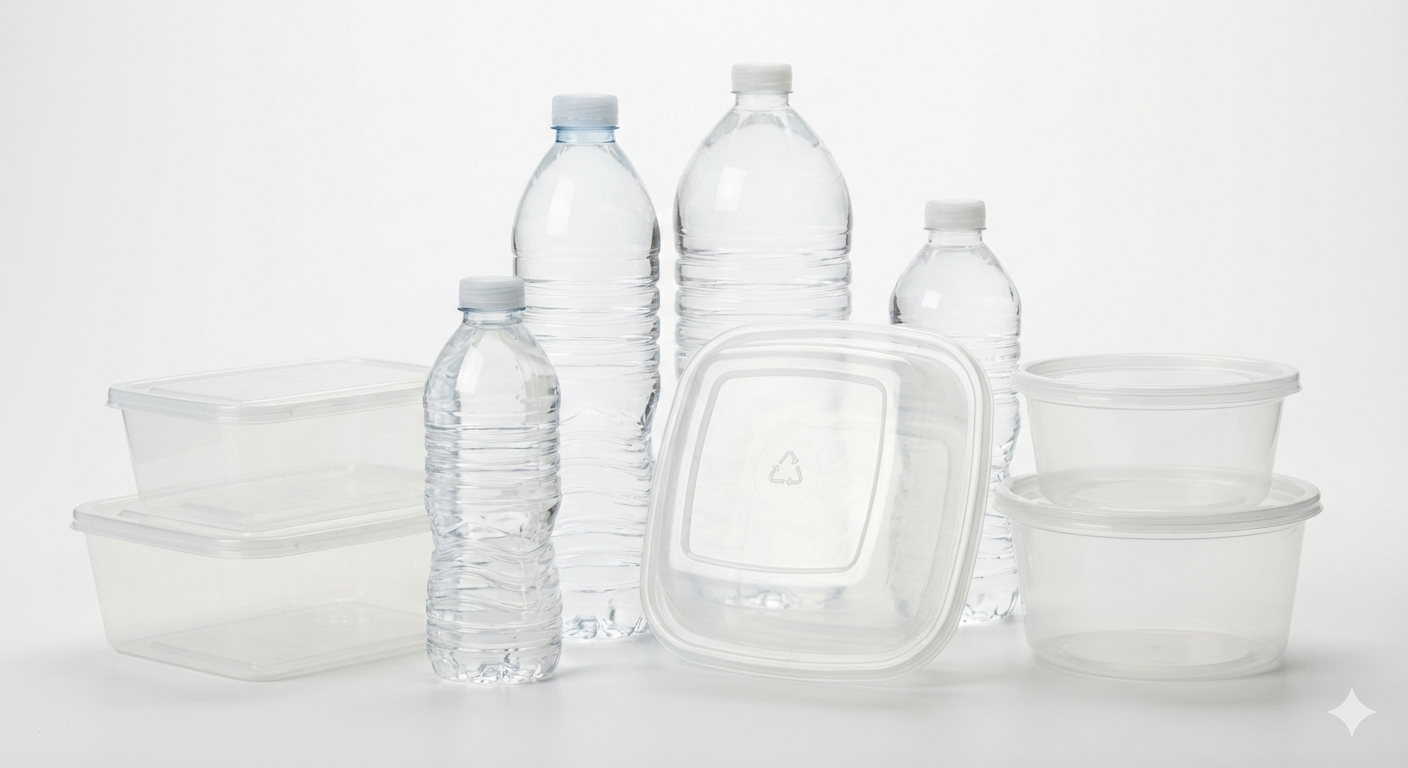
Walk through any supermarket and you'll see 'BPA-Free' stamped on water bottles, food containers, baby bottles, and can linings. It's one of the most successful consumer safety campaigns in recent history. But here's the uncomfortable question: are the chemicals that replaced BPA actually any safer?
What Is BPA and Why Was It a Problem?
Bisphenol A (BPA) is an industrial chemical used since the 1950s to make polycarbonate plastics and epoxy resins. It's been found in everything from water bottles to the linings of food cans. The problem: BPA mimics oestrogen in the body. Research has linked it to hormone disruption, reproductive issues, cardiovascular effects, and increased risk of type 2 diabetes. It's been detected in the urine of over 90% of people tested.
The Rise of 'BPA-Free'
Under consumer pressure, manufacturers began reformulating products to remove BPA. The EU and Canada banned it from baby bottles. Several US states followed with their own restrictions. The 'BPA-Free' label became a powerful marketing tool — consumers felt reassured, and sales of BPA-free products soared.
But here's what the label doesn't tell you: the chemicals used to replace BPA are structurally very similar. And the early research suggests they may have the same problems.
Meet the Replacements: BPS, BPF, and BPAF
The most common BPA replacements are Bisphenol S (BPS) and Bisphenol F (BPF). These are from the same chemical family — bisphenols — and share a similar molecular structure. They were chosen because they can do the same job as BPA in plastics and resins. The assumption was that they were safer. That assumption is increasingly looking wrong.
What the Research Shows
A growing body of research suggests that BPS and BPF have endocrine-disrupting effects similar to BPA. Studies have found that BPS shows oestrogenic activity comparable to BPA in some assays. BPF has been linked to metabolic disruption and obesity in animal studies. Both BPS and BPF have been detected in human urine, indicating widespread exposure. And some research suggests BPS may actually be harder for the body to metabolise than BPA.
This is what scientists call 'regrettable substitution' — replacing one harmful chemical with a structurally similar one that turns out to have similar problems. It's a pattern we see across the chemical industry, and it's why focusing on individual chemicals rather than chemical classes can be misleading.
How to Actually Avoid Bisphenols
Since 'BPA-Free' doesn't guarantee safety, the best approach is to reduce your overall exposure to bisphenols as a class:
- Use glass or stainless steel — for water bottles, food storage, and baby bottles. These materials don't leach any bisphenols
- Avoid heating food in plastic — even BPA-free plastic can leach chemicals when heated. Use glass or ceramic for microwaving
- Minimise thermal receipt handling — thermal paper receipts are a major source of BPA and BPS exposure. Decline receipts or opt for digital
- Choose fresh or frozen over canned — most food cans are still lined with bisphenol-containing epoxy coatings
- Avoid plastics marked '7' or 'PC' — recycling code 7 can indicate polycarbonate plastics containing bisphenols
- Don't reuse single-use plastics — plastic water bottles and food containers designed for single use can break down and leach more chemicals with repeated use
Certifications That Help
Look for products certified by MADE SAFE, which screens against the full bisphenol class, not just BPA. EPA Safer Choice also evaluates ingredients for safety. For baby products, OEKO-TEX Standard 100 Class I applies the strictest limits. See our certification comparison for more.
The Bottom Line
'BPA-Free' was a step in the right direction, but it's not the whole answer. The lesson is that we need to be sceptical of one-for-one chemical substitutions and instead focus on reducing our use of the product categories that contain these chemicals. Glass, stainless steel, and ceramic remain the safest choices for food contact.
Learn More
Read our detailed profiles for BPA and BPA substitutes (BPS, BPF) in the chemical database. Browse product categories for safer alternatives, or explore our complete guide to chemicals to avoid.