 Hylea
Hylea
If there's one class of chemicals that deserves your attention, it's PFAS. Short for per- and polyfluoroalkyl substances, PFAS are a group of thousands of synthetic chemicals that have earned the name 'forever chemicals' because they essentially never break down in the environment. They're in your blood right now — they've been detected in 97% of Americans tested.
What Are PFAS?
PFAS are a family of over 12,000 synthetic chemicals built around a carbon-fluorine bond — one of the strongest in chemistry. This bond is what makes PFAS so useful (they repel water, oil, and stains) and so persistent (nothing in nature can break them apart). The most well-known PFAS are PFOA and PFOS, which have been largely phased out, but thousands of replacement PFAS are still in widespread use.
Where PFAS Hide in Your Home
PFAS are far more widespread than most people realise. Here are the most common sources of exposure:
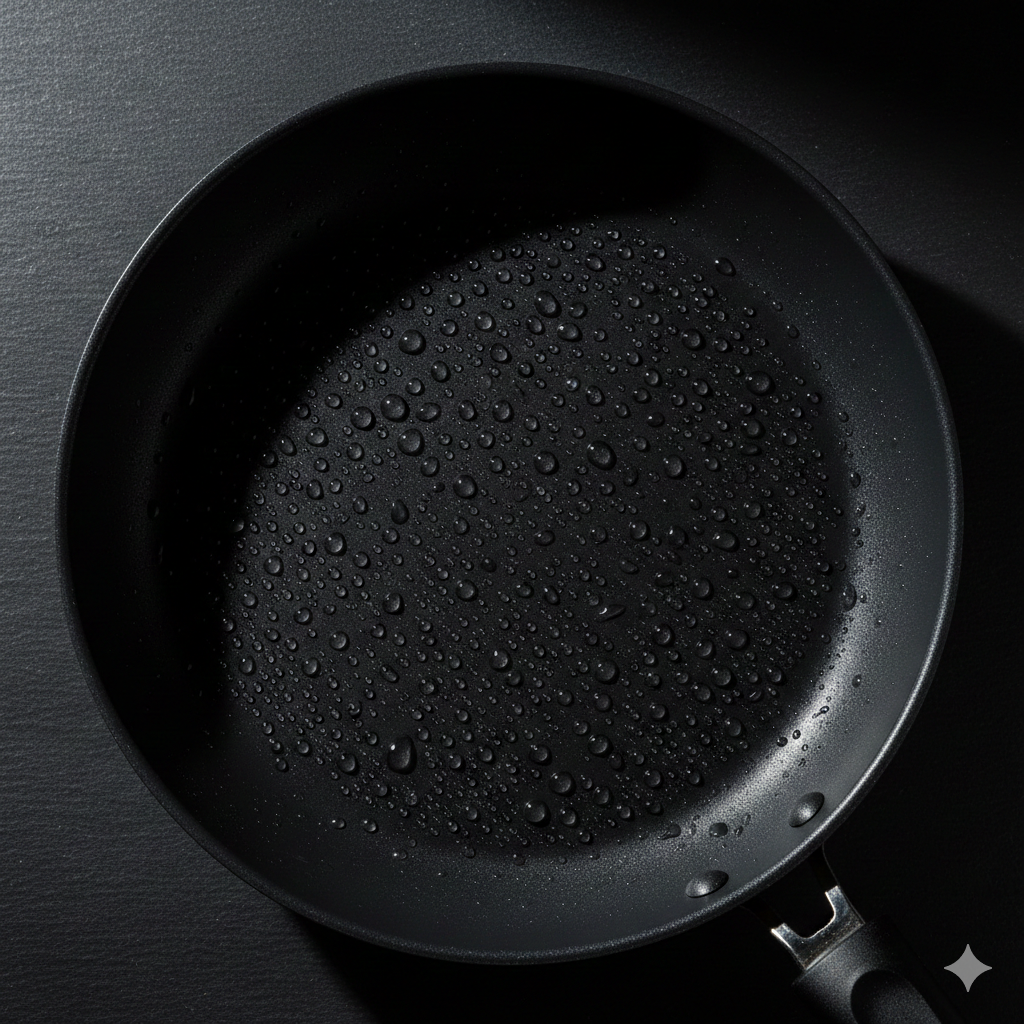
- Non-stick cookware — Teflon and similar coatings are made with PFAS. When scratched or overheated, they can release PFAS into food and air
- Waterproof clothing — rain jackets, hiking boots, and outdoor gear often use DWR (durable water repellent) coatings made from PFAS
- Stain-resistant fabrics — sofas, carpets, and tablecloths treated to resist stains typically contain PFAS
- Food packaging — grease-resistant wrappers, microwave popcorn bags, and fast-food containers often contain PFAS coatings
- Cosmetics — some foundations, mascaras, and lip products contain PFAS for smooth application and water resistance
- Dental floss — some brands use PFAS-based coatings for the glide effect
- Firefighting foam — AFFF foam used at military bases and airports has contaminated water supplies in many communities
Health Concerns Linked to PFAS
The scientific evidence linking PFAS to health problems has grown substantially over the past two decades. PFAS exposure has been associated with increased risk of kidney and testicular cancer, thyroid hormone disruption, immune system suppression (including reduced vaccine effectiveness), reproductive and developmental effects, elevated cholesterol levels, and liver damage. Because PFAS accumulate in the body over time, even low-level exposure from multiple sources adds up.
PFAS in Drinking Water
Perhaps the most alarming PFAS issue is water contamination. PFAS have been detected in drinking water supplies serving millions of people, particularly near military bases, airports, and industrial sites where PFAS-containing firefighting foam was used. In 2024, the US EPA set the first-ever enforceable limits for PFAS in drinking water. If you're concerned about your water supply, activated carbon or reverse osmosis filters can reduce PFAS levels — standard water filters typically cannot.
How to Reduce Your PFAS Exposure
- Switch your cookware — replace non-stick pans with cast iron, stainless steel, or ceramic. These are PFAS-free and often last longer
- Avoid waterproof treatments — skip stain-resistant and water-repellent treatments on furniture, carpets, and clothing. Look for PFAS-free outdoor gear
- Filter your water — use an activated carbon or reverse osmosis filter certified for PFAS removal
- Check food packaging — avoid microwaving food in paper containers. Use glass or ceramic containers instead
- Choose PFAS-free cosmetics — look for brands that explicitly state they are PFAS-free
- Look for wax alternatives — for outdoor gear, waxed cotton and silicone-based DWR coatings are less persistent alternatives
- Wash new clothing — always wash new clothes before wearing, especially waterproof or stain-treated items
Certifications That Address PFAS
Some certifications specifically ban or restrict PFAS. The Nordic Swan Ecolabel has completely banned all PFAS since 2003 — years ahead of any other certification. OEKO-TEX Standard 100 tests for and restricts PFAS in textiles. bluesign has PFAS phase-out requirements. And both EWG Verified and MADE SAFE ban PFAS in certified products. For a full comparison, see our certification comparison guide.
The Regulatory Landscape
Regulation is catching up, but slowly. The EU is proposing a broad ban on all PFAS — potentially the most significant chemical regulation in decades. Several US states have banned PFAS in specific products like food packaging and cosmetics. But thousands of PFAS remain in use globally, and contamination from decades of production will persist in the environment for generations.
Learn More
Read the full PFAS chemical profile in our database for detailed information on health risks, regulations, and what to look for on labels. You can also browse our full chemical database or check our complete guide to chemicals to avoid.