 Hylea
Hylea
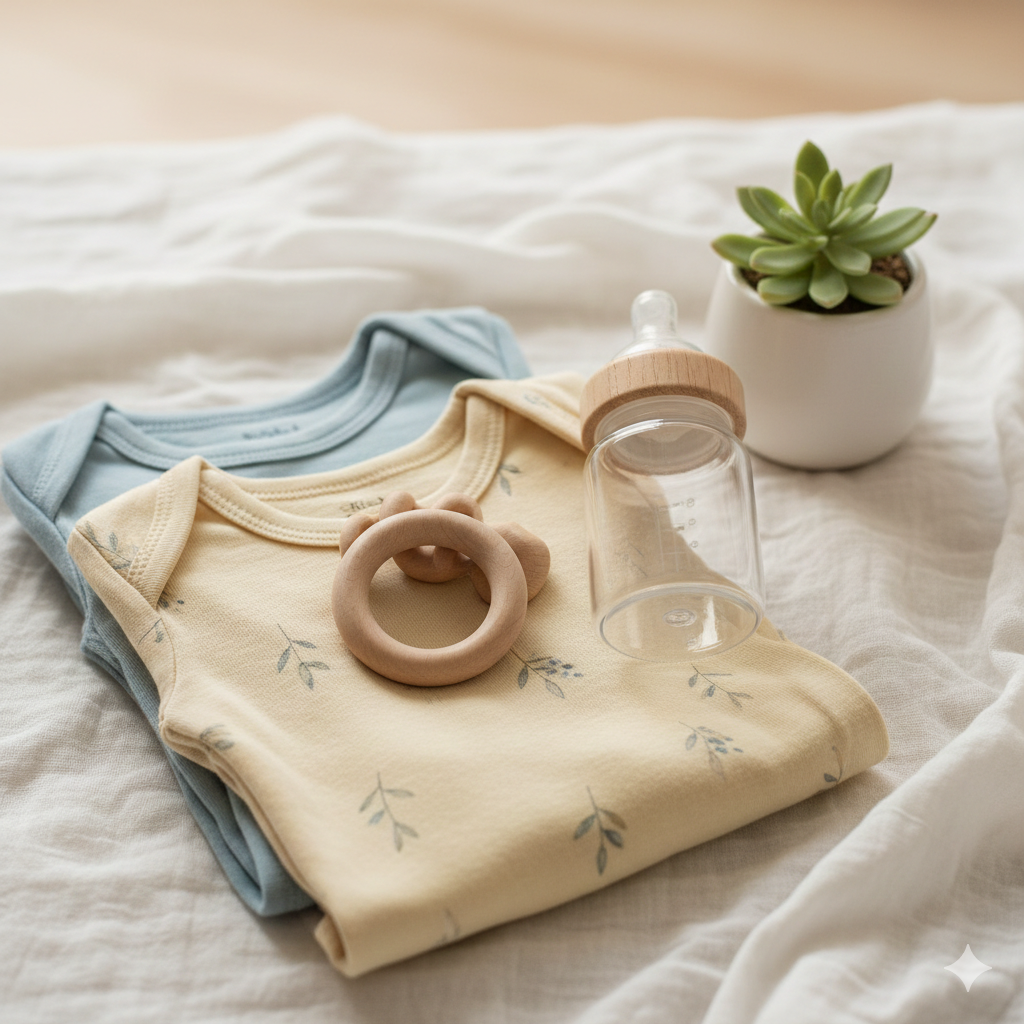
Babies face higher chemical risks than adults. Their developing bodies absorb chemicals more readily, they mouth everything in sight, and pound for pound they take in more food, water, and air than adults. The good news? A few smart swaps can dramatically reduce their exposure.
Why Babies Are More Vulnerable
A baby's skin is thinner and more permeable than adult skin, allowing chemicals to pass through more easily. Their detoxification systems (liver, kidneys) are still maturing, so they can't process and eliminate chemicals as efficiently. And because babies are growing so rapidly, chemical exposures during critical development windows can have outsized effects.
Baby Bottles and Feeding
Baby bottles were one of the first products to face scrutiny over BPA. While most bottles are now BPA-free, some replacements like BPS and BPF may carry similar risks. Glass and stainless steel bottles avoid the issue entirely.
- Safest choice: Glass bottles with silicone sleeves for grip and drop protection
- Good alternative: Stainless steel bottles (lightweight, unbreakable)
- If using plastic: Look for bottles made from polypropylene (PP, recycling code 5) and avoid heating them
- Avoid: Polycarbonate bottles, any plastic bottle in the microwave or dishwasher's heated dry cycle
Toys and Teethers
Since babies mouth their toys, chemical safety is critical here. Phthalates were historically used to soften plastic toys, and lead has been found in painted toys, especially imports.
- Choose solid wood toys finished with natural oils or water-based paints
- For teethers, choose solid silicone or natural rubber (avoid liquid-filled teethers)
- Look for OEKO-TEX certified fabric toys
- Avoid soft PVC (vinyl) toys, which often contain phthalates
- For plastic toys, look for those labelled phthalate-free and BPA-free
Clothing and Sleepwear
Baby clothing can contain formaldehyde (used in wrinkle-resistant finishes), synthetic dyes, and flame retardant chemicals, particularly in sleepwear.
- Choose snug-fitting sleepwear (doesn't require flame retardant treatment) over loose-fitting treated versions
- Wash all new clothing before first wear to reduce chemical residues
- Look for GOTS certified organic cotton
- Choose OEKO-TEX Standard 100 certified fabrics (tested for harmful substances)
Nursery Furniture and Mattresses
Crib mattresses, changing pads, and nursery furniture can off-gas VOCs and contain flame retardants. Since babies spend 12-16 hours a day sleeping, the crib mattress is one of the most important products to get right.
- Choose a crib mattress with GREENGUARD Gold certification for low VOC emissions
- Look for CertiPUR-US certified foam if using a foam mattress
- Consider organic cotton or natural latex mattresses
- Air out new furniture for several days before putting it in the nursery
- Use low-VOC or zero-VOC paint for nursery walls
Nappies and Wipes
Disposable nappies are in contact with baby's skin for hours at a time. Some contain fragrances, chlorine bleaching residues, and dioxins. Baby wipes can contain preservatives and fragrances.
- Choose fragrance-free, chlorine-free disposable nappies
- Consider cloth nappies (especially organic cotton) to eliminate disposable chemical concerns
- For wipes, choose fragrance-free, alcohol-free options with minimal ingredients
- Or use reusable cloth wipes with plain water
Certifications to Trust for Baby Products
When shopping for baby products, these certifications provide meaningful safety assurance:
- MADE SAFE - screens for thousands of known toxic chemicals across all product types
- OEKO-TEX Standard 100 - tests textiles for harmful substances (look for Class I, the strictest level for baby products)
- GREENGUARD Gold - certifies low chemical emissions from furniture and mattresses
- GOTS - organic textile certification covering the full supply chain
- EWG Verified - strict health-based screening for personal care products
For a detailed comparison of all certifications, see our Certifications Compared guide. To learn more about the chemicals mentioned here, explore our Chemicals to Avoid guide or browse the full chemicals database.